
Best exterior paint for Miami: humidity, salt air and sun
Why exterior paint fails fast in South Florida and which coatings, primers and prep steps actually survive humidity, salt air and UV in Miami.
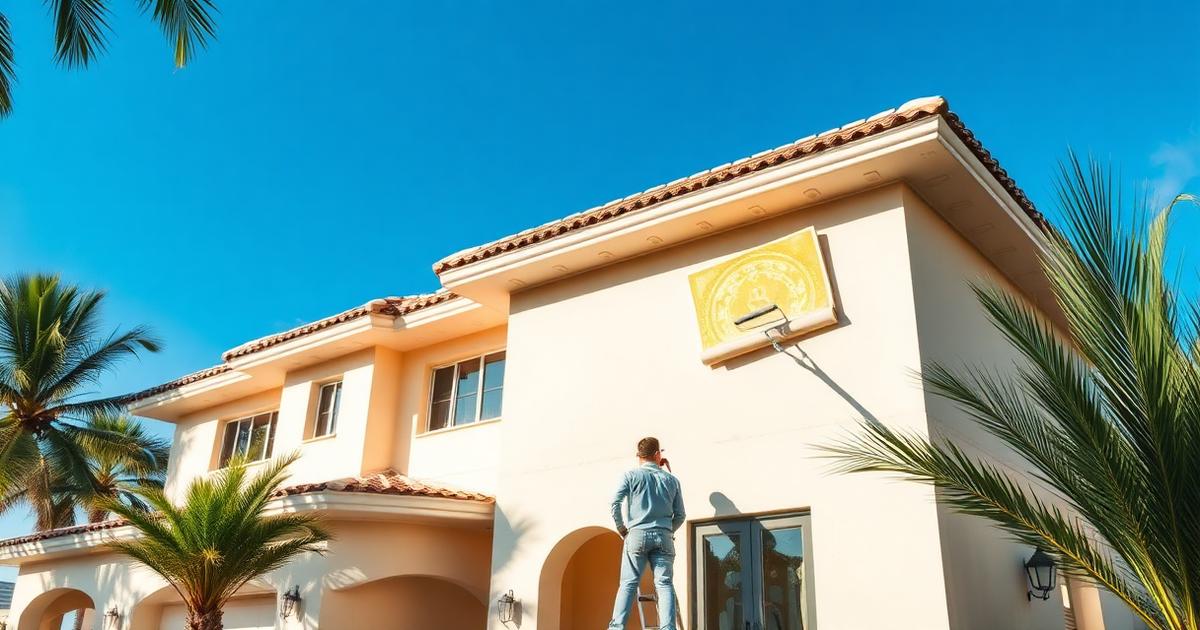
South Florida is one of the harshest coating environments in the country. Direct UV nearly year-round, relative humidity that rarely drops, wind-driven rain, and salt aerosol that travels miles inland. A paint system that performs beautifully in Atlanta can chalk, blister or grow mildew here within two seasons.
What actually destroys exterior paint here
- UV degradation. Sunlight breaks down binders and pigments, leaving a chalky surface that no longer sheds water.
- Moisture from behind. Stucco and CBS walls hold water. If the coating cannot breathe, vapor pushes the film off the wall as blisters.
- Mildew. Warm, damp shaded elevations are ideal for growth; without a mildewcide package it returns within months.
- Salt. Coastal properties collect airborne chloride that attacks substrates and any exposed metal fastener or trim.
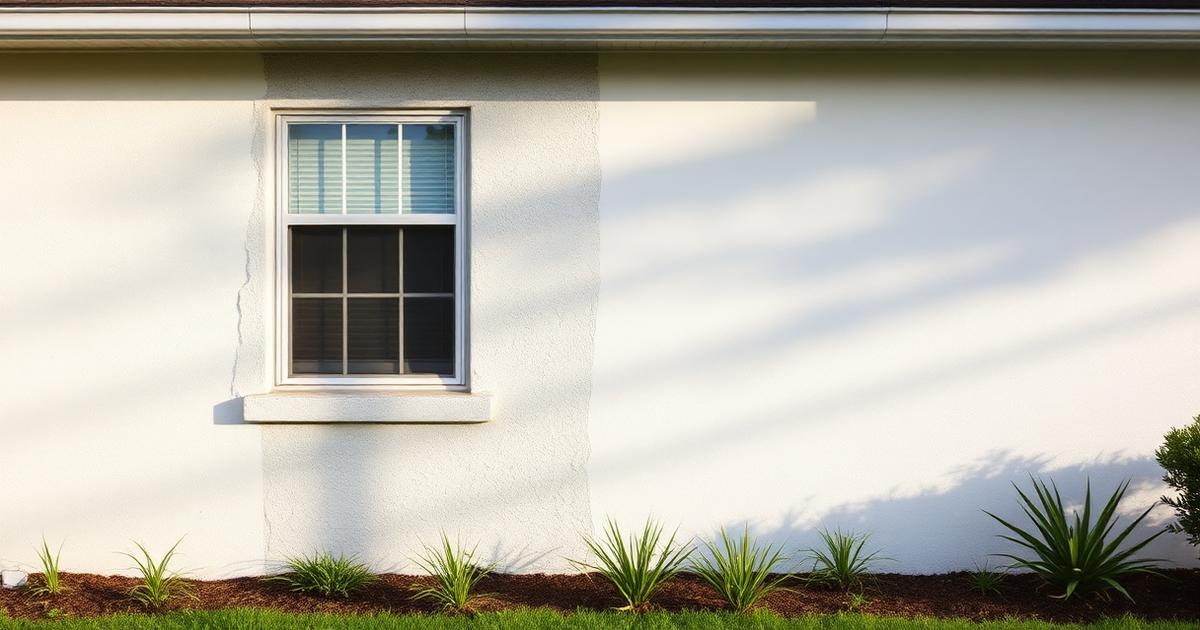
- Thermal movement. Daily expansion and contraction opens hairline cracks in stucco that a rigid film cannot bridge.
The coating choices that hold up
| Substrate | Recommended system | Why |
|---|---|---|
| Stucco / CBS walls | Alkali-resistant masonry primer + 100% acrylic exterior | Breathable, flexible, strong UV package |
| Hairline-cracked stucco | Elastomeric coating over patched cracks | Bridges movement, sheds wind-driven rain |
| Wood fascia, soffit, trim | Oil or hybrid stain-blocking primer + acrylic enamel | Blocks tannin, tolerates expansion |
| Metal railings, doors, gates | Rust-inhibitive primer + urethane-modified enamel | Resists chloride corrosion |
| Previously chalky surfaces | Masonry conditioner / bonding primer | Locks down chalk so the topcoat adheres |
Elastomeric is not automatically the right answer. It is excellent over cracked stucco, but on a wall with trapped moisture and no drainage detail it can make blistering worse. The system should be chosen after the wall is inspected — never from a catalogue.
Prep is the coating's life expectancy
- 01Pressure wash and let the substrate dry fully — in Miami that can mean 24 to 48 hours.
- 02Kill mildew with an appropriate cleaning solution, not just water pressure.
- 03Patch cracks and spalls, then cure the patch before priming.
- 04Recaulk every window, door and dissimilar-material joint with a high-grade elastomeric sealant.
- 05Prime bare, patched or chalky areas. Skipping spot priming is the most common cause of premature failure.
- 06Apply two full coats at the manufacturer's wet-film thickness, not thinned to stretch coverage.
Colour choices that age well in the light here
Miami light is bright and slightly warm, which pushes cool greys toward blue and makes stark whites glare. Off-whites with a soft warm base, sand tones, muted terracotta and deep coastal blues hold their character. Very dark, saturated colours absorb heat, move more, and fade faster on south and west elevations — if you want drama, keep it on protected or accent areas.
Can you paint during the rainy season?
Yes, with planning. We work early, watch dew point and rain windows, and never close out a coat that cannot dry before an afternoon storm.
How long should a good exterior job last in Miami?
Seven to ten years on a well-prepped stucco wall with a premium acrylic; five to seven on exposed coastal elevations.
Planning a painting project?
Send a photo of the space on WhatsApp and we'll come back with a proposal, timeline and price.
Quote on WhatsAppKeep reading
How often should you repaint a home in South Florida?
Realistic repaint intervals for interiors, exteriors, trim and ceilings in Miami, plus the warning signs that mean you should not wait for the calendar.

How much does it cost to paint a house in Miami?
Real 2026 price ranges for interior and exterior house painting in Miami, what drives the cost up or down, and how to compare estimates line by line.